
Property Condition
What should be repaired or improved—and what should be left alone—depends on the home and the likely return on the work.
Before the sign goes in the yard, make sure you understand your home’s value, what it needs, how it should be positioned, and what a successful sale needs to accomplish for you.
You don’t have to be ready to list to start planning.
Many homeowners begin thinking about selling long before they’re ready to put their property on the market. That’s often the best time to start getting useful information.
You may be wondering whether now is the right time, what the home could sell for, whether you should make improvements, or how much you might actually walk away with after the sale.
Those decisions are easier when they’re considered together. The goal isn’t to rush you toward a listing. It’s to help you understand the property, the market, your options, and the steps that make sense for your situation.
The outcome is influenced by a combination of decisions. Strong strategy brings those decisions together rather than treating each one separately.
What should be repaired or improved—and what should be left alone—depends on the home and the likely return on the work.
Buyers react to price in the context of competing homes, recent sales, condition, location, and current demand.
How buyers experience the property online and in person can influence whether they decide to take the next step.
Your home does not sell in isolation. Buyers compare it with other choices available to them at the same time.
The strongest offer is not automatically the one with the highest number. Financing, contingencies and timing matter.
Inspections, appraisal, deadlines, negotiations and closing all need to be managed after an offer is accepted.
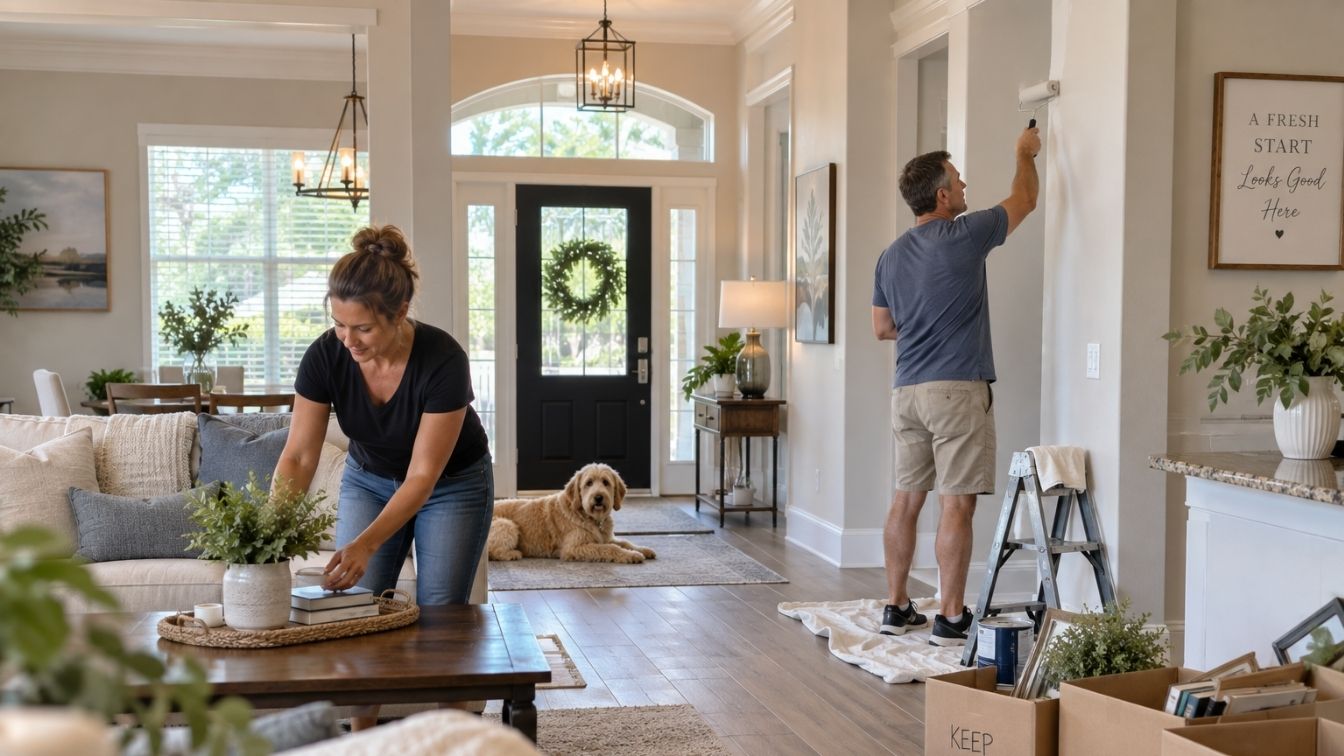
Sellers are often told to renovate, replace, paint, update, landscape and stage before listing. Some improvements can absolutely help. Others may cost more than they contribute to the sale.
The better approach is to evaluate the property first and prioritize work that addresses obvious buyer objections, improves presentation, or makes the home easier to market.
Every sale has its own circumstances, but the overall process becomes much easier to manage when you know what comes next.
We start with what you’re trying to accomplish, your timing, the home’s condition, and the questions you need answered before making a decision.
Relevant comparable sales, competing listings, property characteristics and current market conditions help frame a realistic view of value.
We identify the preparation that makes sense before the property is presented to buyers while avoiding work that may not be worthwhile.
The property is positioned for the market with a pricing strategy and presentation designed around how buyers will actually compare the home.
Price matters, but so do financing, contingencies, requested concessions, timing and the probability of the transaction reaching closing.
Once under contract, the focus shifts to inspections, appraisal, deadlines, negotiations and the remaining steps required to complete the sale.
Pricing influences which buyers notice the property, how it compares with competing homes, the urgency buyers may feel, and the negotiating position you have after offers arrive.
Pricing too high can reduce early buyer interest. Pricing without understanding the home’s advantages can also leave money on the table.
The objective is to establish a defensible market position based on the property and the conditions that exist when you’re actually ready to sell.
Learn how to think about pricing a Trinity home →A seller needs to understand both what an offer pays and what it requires. The details can affect your proceeds, timing, flexibility and transaction risk.
The purchase price matters, but it is only one part of the financial picture.
Financing structure and buyer qualifications can influence the strength of an offer.
Inspection, appraisal, financing and other conditions can affect both flexibility and risk.
Closing dates, concessions and other requested terms can affect what the offer really means to you.
Before you hire contractors, choose an asking price or decide exactly when to list, understand the property and your options.
A home-value conversation gives us a practical starting point for discussing likely market position, preparation, timing and the decisions that may matter before selling.
Explore the questions Trinity homeowners commonly ask while planning a sale.
Decide which repairs or improvements may help and which projects may not be worth the expense.
Read the guide →Understand how price, competition and buyer behavior work together when positioning a property.
Read the guide →Learn what can influence time on market and the overall timeline from preparation through closing.
Read the guide →Explore the expenses sellers may encounter and why net proceeds matter more than the sale price alone.
Read the guide →Know what to ask and what to evaluate when choosing someone to represent your home sale.
Read the guide →Start with a better understanding of the property’s potential market value and the factors affecting it.
Explore Trinity home value →The right strategy depends on more than the house. Your timing, goals, next move, priorities and tolerance for different options all matter.
Keith Mathias helps Trinity-area homeowners work through those decisions and develop a selling plan around the property and the seller—not a generic checklist.
Start with a FREE home valuation and a straightforward conversation about your property, your goals and your options. You don’t have to be ready to list.


